

Pustec
Lake Prespa
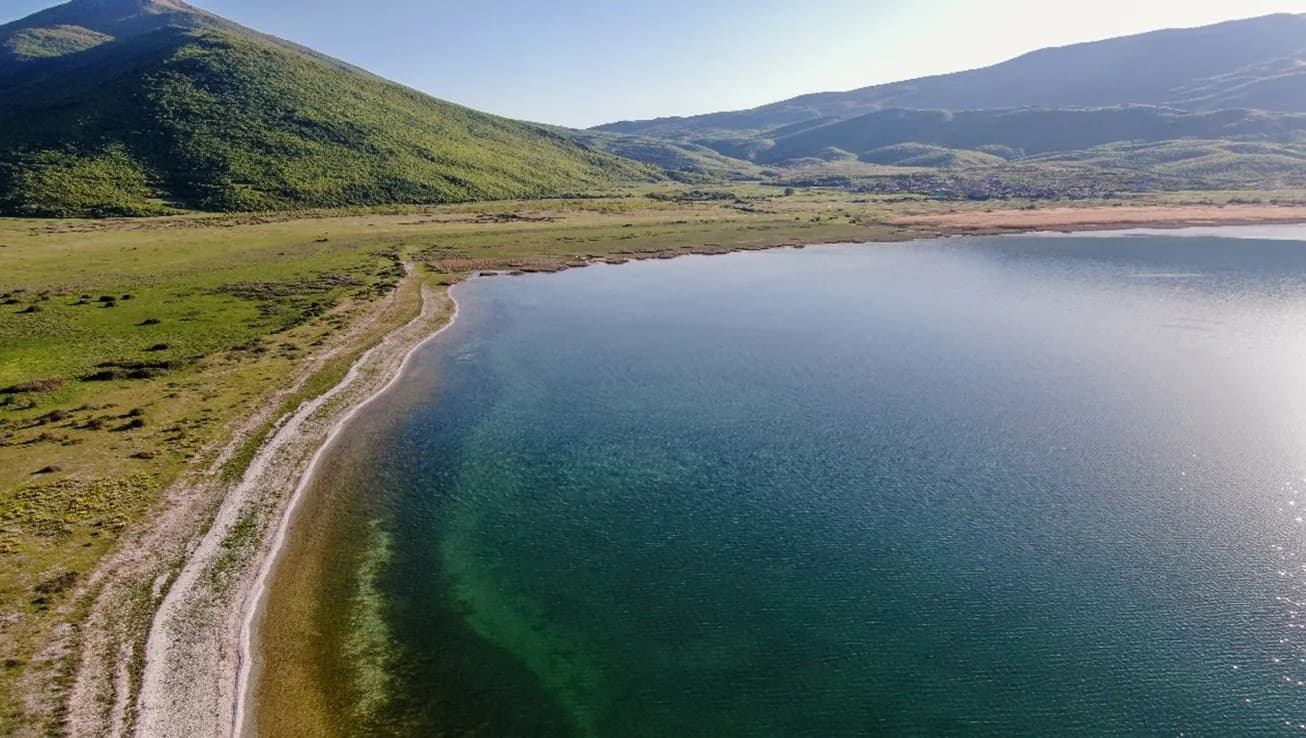
Lake Prespa is the main lake of the Pustec Municipality and one of the oldest and cleanest lakes in the Balkans. With crystal clear waters and calm shores, it offers opportunities for hiking, bird watching and…
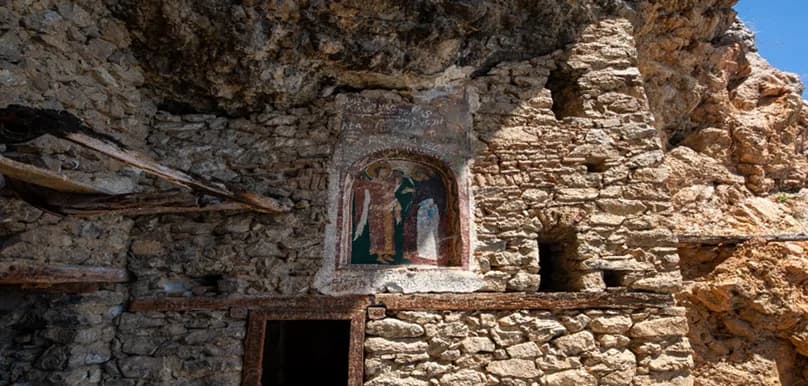
It is a hermitage church located in the southern part of the village of Gllomboć. It is located near the place with the toponym “Crna Karpa”, a cave with a height of 25m. The church has floors and is reached by an iron…
About this landmark
It is a hermitage church located in the southern part of the village of Gllomboć. It is located near the place with the toponym “Crna Karpa”, a cave with a height of 25m. The church has floors and is reached by an iron staircase. The lower part is where the monks lived and the upper part is the place dedicated to the “Annunciation” (of the good news). It is a Byzantine heritage of the 14th century.
Gallery
Nearby

Pustec
Lake Prespa is the main lake of the Pustec Municipality and one of the oldest and cleanest lakes in the Balkans. With crystal clear waters and calm shores, it offers opportunities for hiking, bird watching and…

Pustec
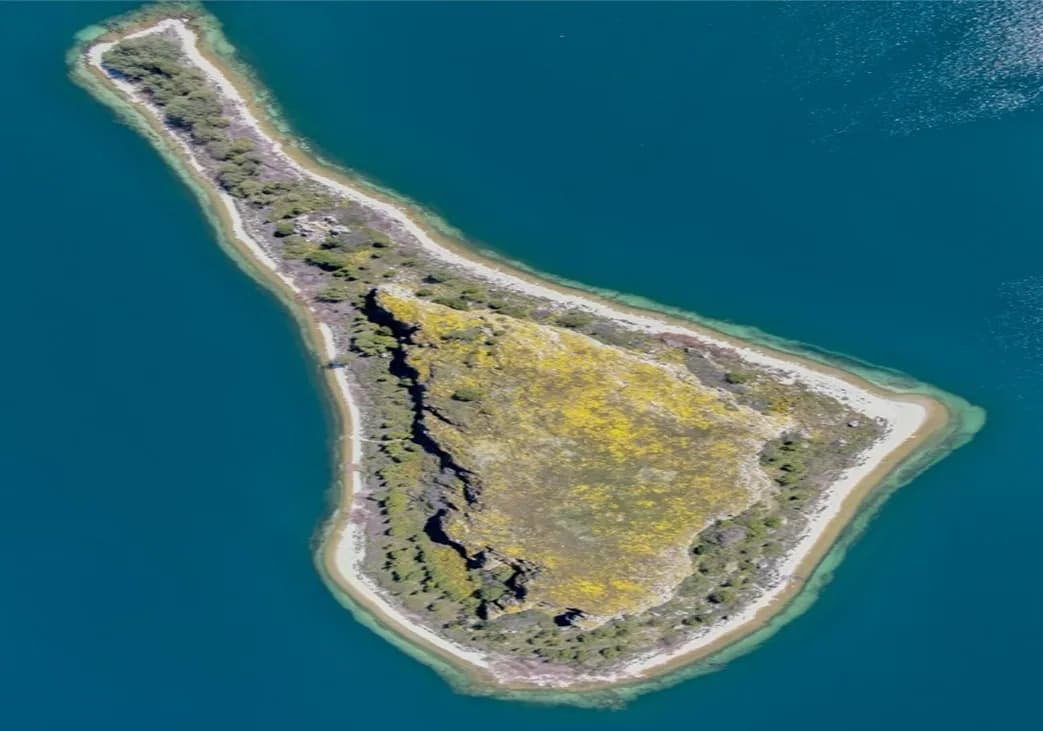
Maligrad Island is a geomonument, the central point of the Prespa National Park. It is located in the southern part of Lake Prespa and is appreciated for its natural beauty and cultural values. The island has a special…

Pustec
It has been inhabited since 7000 years ago in the Middle Neolithic era, it is located in the north of the municipality near the shore of the lake with an area of 7 ha. It has archaeological, historical and cultural…

Pustec
Prespa National Park covers most of the lake and the surrounding area, including forests, meadows and hilly-mountainous terrain. The area is protected and home to many rare plant and animal species. The park offers…

Pustec
Rallnik Beach is a natural destination located in the Municipality of Pustec, on the shores of Lake Prespa. Known for its clear waters, peaceful landscape and unique panorama, it offers an ideal environment for rest,…

Pustec
In the new neighborhood of the village of Gorica e Madhe, there are old construction structures known by the micro-toponym "Vakofçinata". It dates back to the 6th century AD with an area of 400m².