Stolac
Badanj Paleolithic Cave
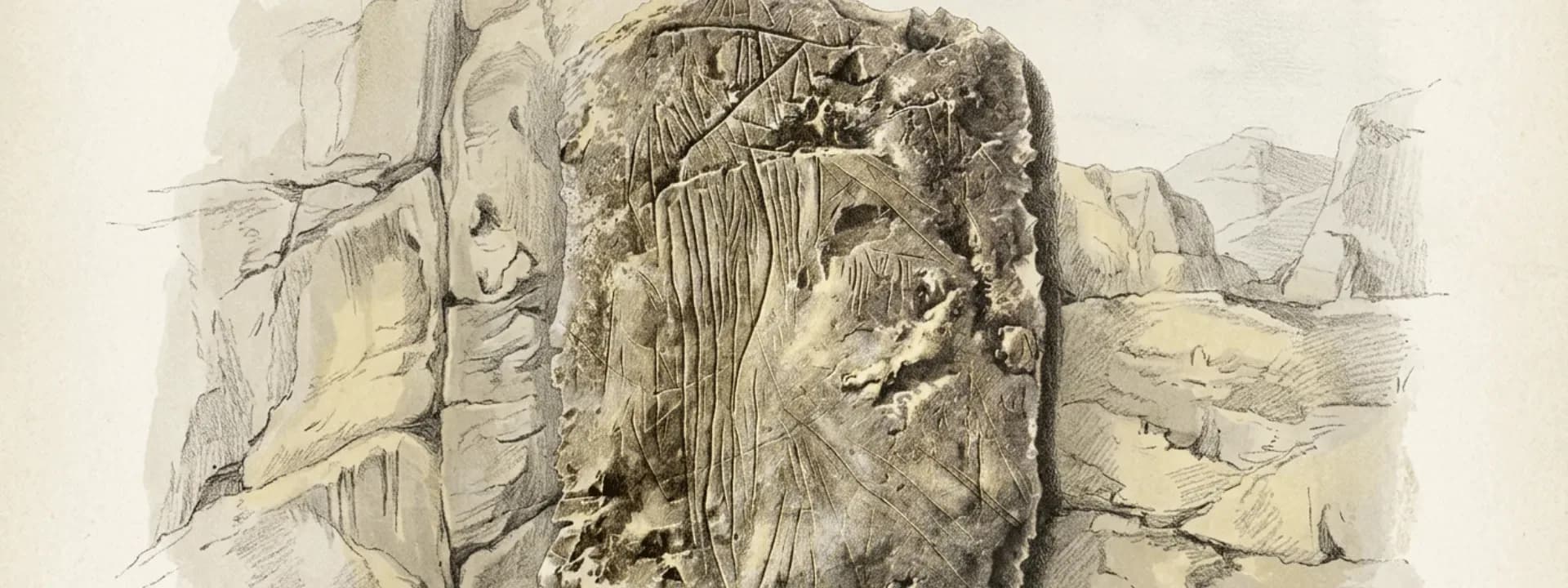
Badanj Cave, located in the canyon of the Bregava River near the village of Borojevići, is one of the most important Paleolithic sites on the eastern Adriatic coast. This rock shelter, rising 45 meters above the…
The Bregava River is not only a natural ornament of Stolac, but also the lifeline that has shaped its economic and urban development for centuries. Branching into channels that create roaring waterfalls such as Pjena…
About this landmark
The Bregava River is not only a natural ornament of Stolac, but also the lifeline that has shaped its economic and urban development for centuries. Branching into channels that create roaring waterfalls such as Pjena and Provalija, it enabled the construction of a fascinating system of mills and fulling mills dating back to the 15th century. These structures, built as waqfs (endowments) by prominent Stolac families, were used for grinding grain and for washing and fulling cloth, making Stolac one of the most important craft centers of Herzegovina until the mid-20th century. The architecture of these buildings, made of carved limestone, represents the pinnacle of vernacular construction, where human hands and the power of water merge into an inseparable, functional whole.
The most recognizable architectural symbol on the Bregava is Inat-ćuprija, the bridge in the city center whose name is tied to one of the most beautiful local legends.
Legend of its origin: It is said that in the 17th century, the builders, dissatisfied with the rule of the usurper Trtko, deliberately built a bridge whose arches were asymmetrical. From this desire to defy the authority of the time came the bridge on which, according to the people of Stolac, “every eye is crooked.” Despite its legendary “irregularity,” the bridge was designed so skillfully that it survived centuries of the swollen Bregava, remaining the central point of the city’s social life.

Nearby

Stolac
Badanj Cave, located in the canyon of the Bregava River near the village of Borojevići, is one of the most important Paleolithic sites on the eastern Adriatic coast. This rock shelter, rising 45 meters above the…

Stolac
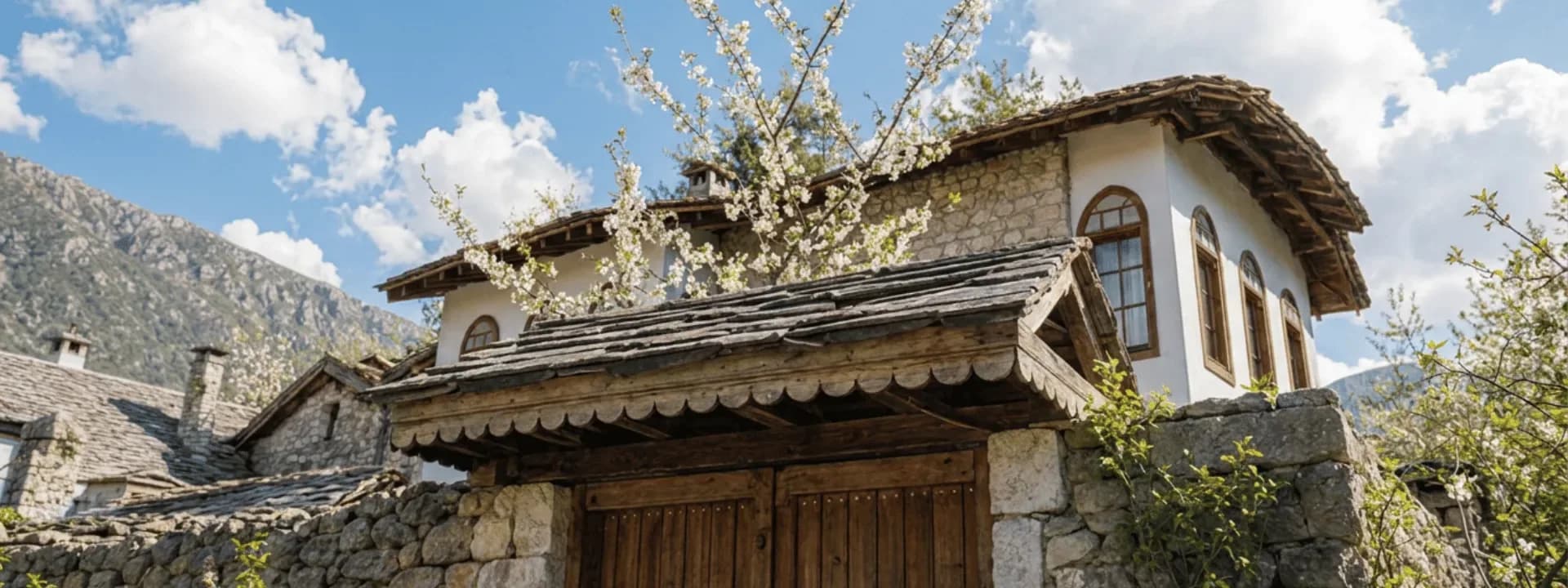
Built in the mid-19th century, Begovina is one of the most complex and beautiful examples of feudal residential architecture in Bosnia and Herzegovina. It was created as the home of the powerful Rizvanbegović family…

Stolac
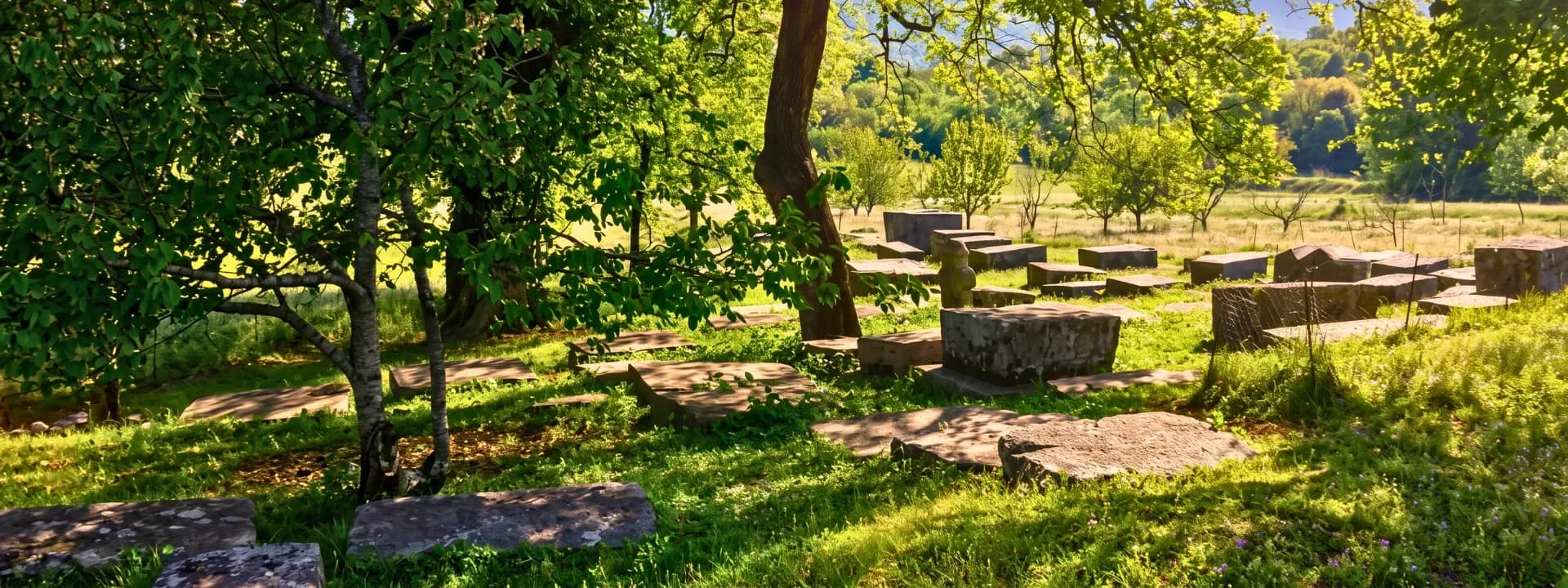
The Boljuni stećci necropolis is located in the hamlet of Boljuni, part of the village of Bjelojevići, about 15 km southwest of Stolac, along the road to Hutovo Blato. This medieval site was inscribed on the UNESCO…
Čapljina
The Buna Channels are a natural phenomenon on the Neretva River, formed by fluvial processes at the point where the Buna River flows into the Neretva, near the village of Buna, south of Mostar, along the M-17 main road…

Stolac
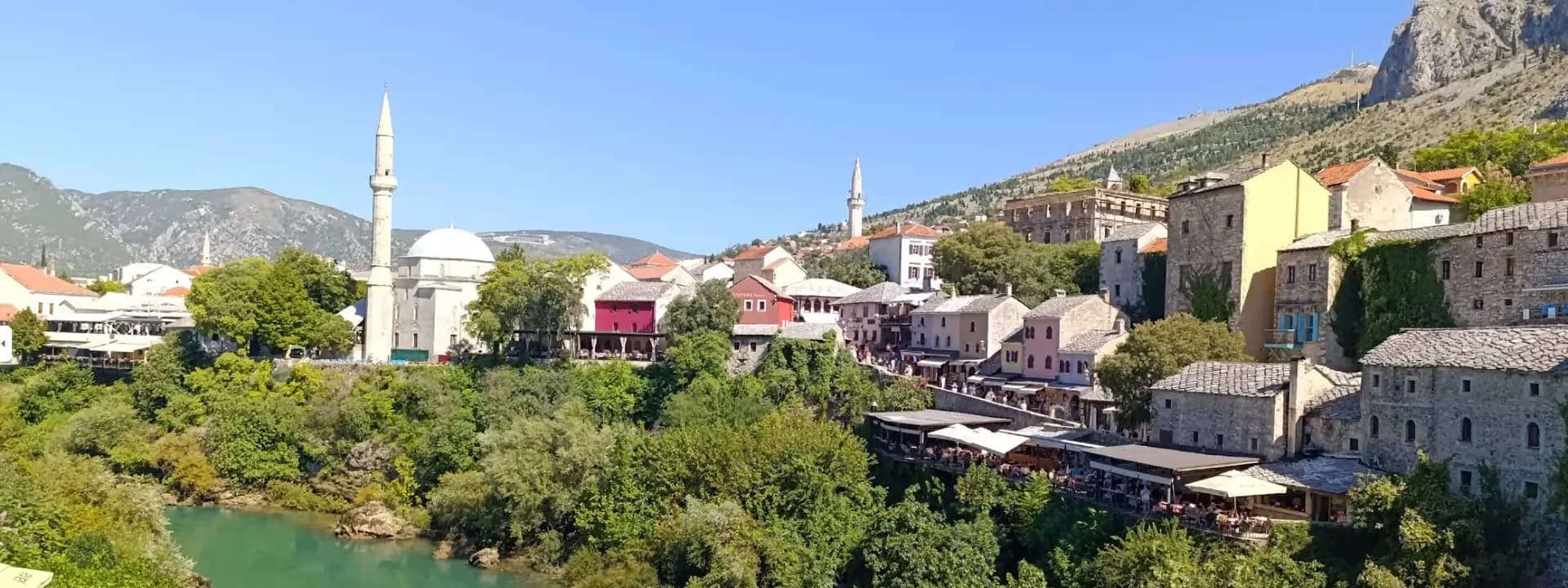
Ćuprijska Mosque, also known as the Hadži-Alija Hadžisalihović Mosque, is one of the oldest mosques in Stolac. Located on the left bank of the Bregava River, not far from the famous Inat-ćuprija, it got its name from…
Stolac
Daorson is one of the most significant archaeological sites in Bosnia and Herzegovina, set in the village of Ošanići above Stolac. It was the capital of the Daorsi, a Hellenised Illyrian tribe that lived in the Neretva…