Travnik
Apartment Juli
Welcome to Apartment Juli – a modern and elegantly decorated apartment in Travnik, created for guests who value comfort, peace, and a feeling of home. Whether you are coming for business, a weekend getaway, or to…

The city of viziers
A city of viziers, fortresses, mountain springs, and timeless Bosnian tradition — where medieval heritage, Ottoman architecture, and the slopes of Vlašić meet in the heart of Bosnia.
About Travnik
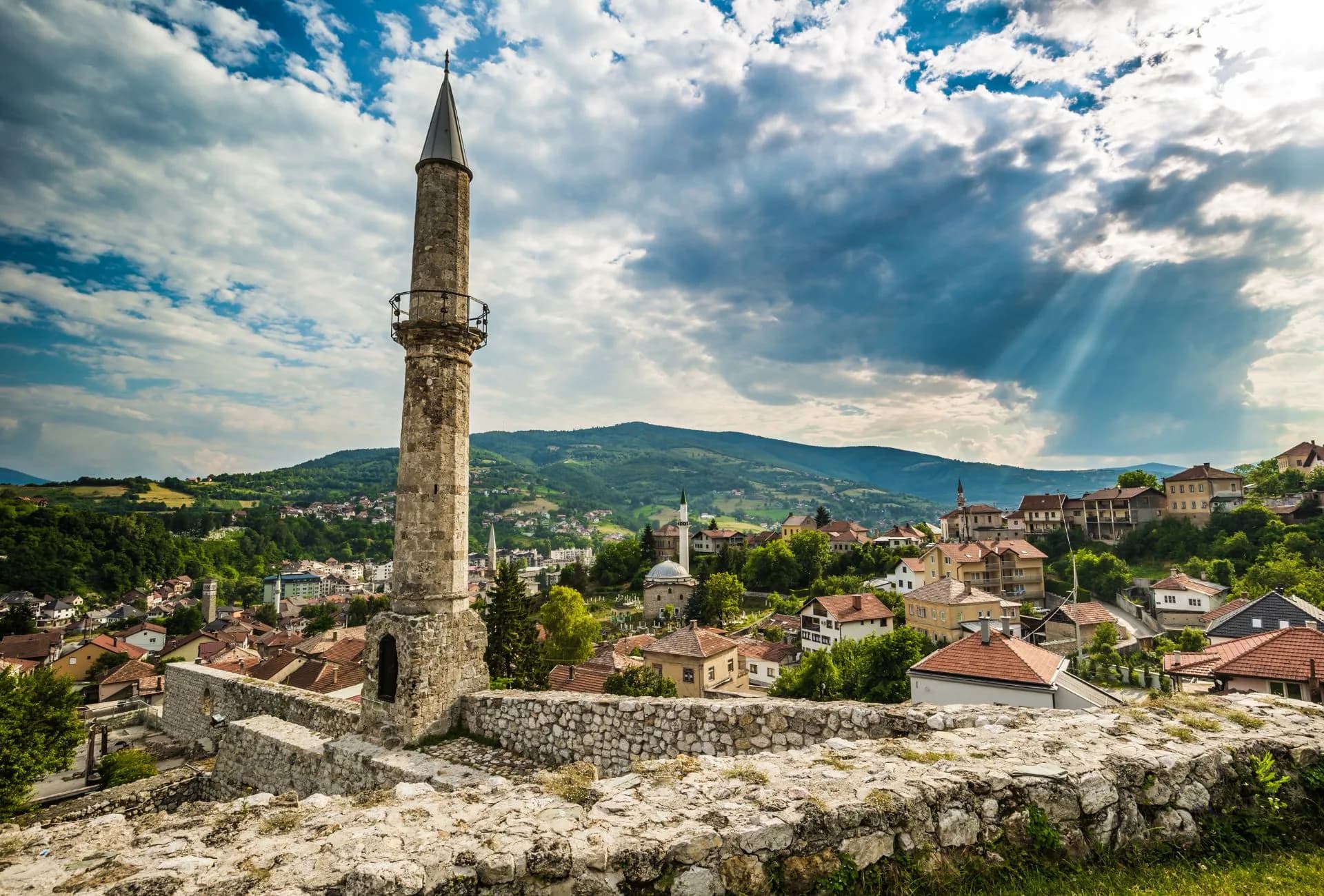
Travnik is one of the most historically important towns in central Bosnia and Herzegovina. Located in the Lašva Valley and surrounded by the mountains of Vlašić and Vilenica, the town is known for its Ottoman heritage, medieval fortress, colourful mosques, mountain springs, traditional food, and relaxed atmosphere.
Travnik is often called the City of Viziers because it served as the seat of the Ottoman governors of Bosnia for around 150 years. During this period, the city became an important administrative, diplomatic, and cultural center.
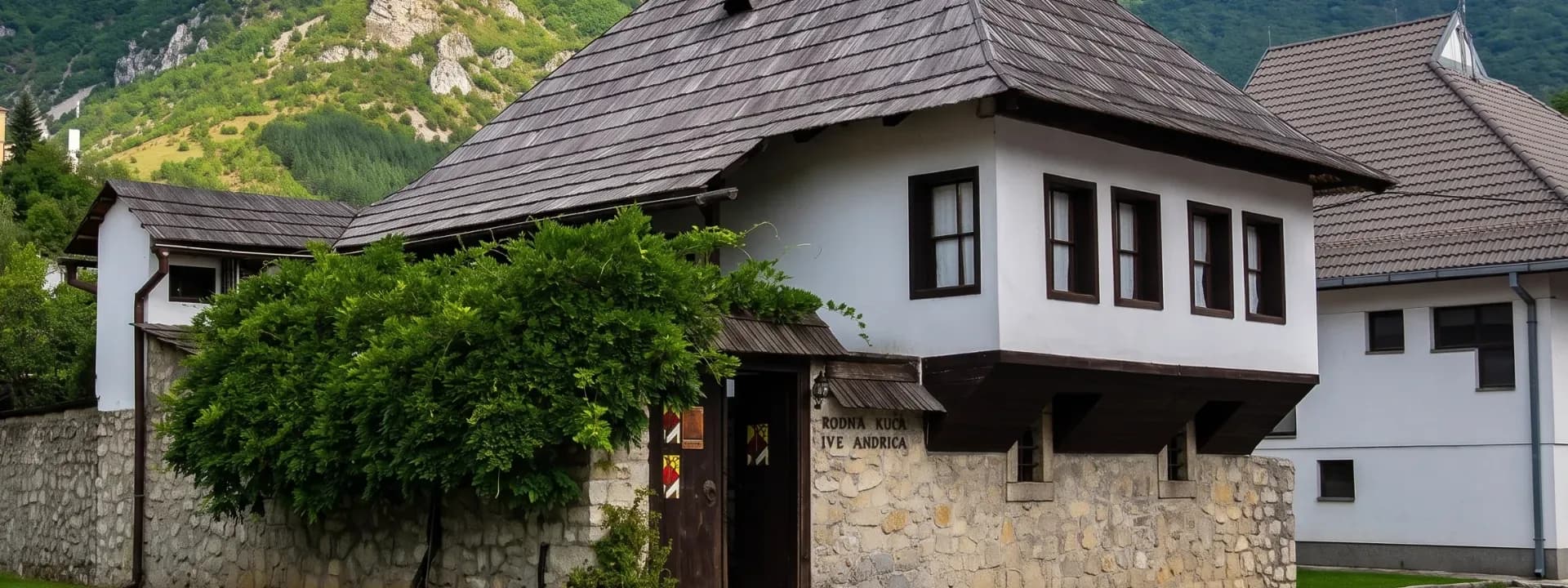
Today, Travnik is also famous as the birthplace of Nobel Prize-winning writer Ivo Andrić, whose works were strongly inspired by the city and its history.
With its compact historic center, impressive fortress, traditional restaurants, and easy access to Vlašić Mountain, Travnik is one of the most rewarding cultural stops in Bosnia and Herzegovina.


The places that stay with you

Travnik
Welcome to Apartment Juli – a modern and elegantly decorated apartment in Travnik, created for guests who value comfort, peace, and a feeling of home. Whether you are coming for business, a weekend getaway, or to…

Travnik
The Ivo Andrić Memorial Museum is set in Travnik's Zenjak quarter, in a house where, on 9 October 1892, the only Nobel laureate in literature from the former Yugoslavia was born. The house was reconstructed in 1974 and…

Travnik
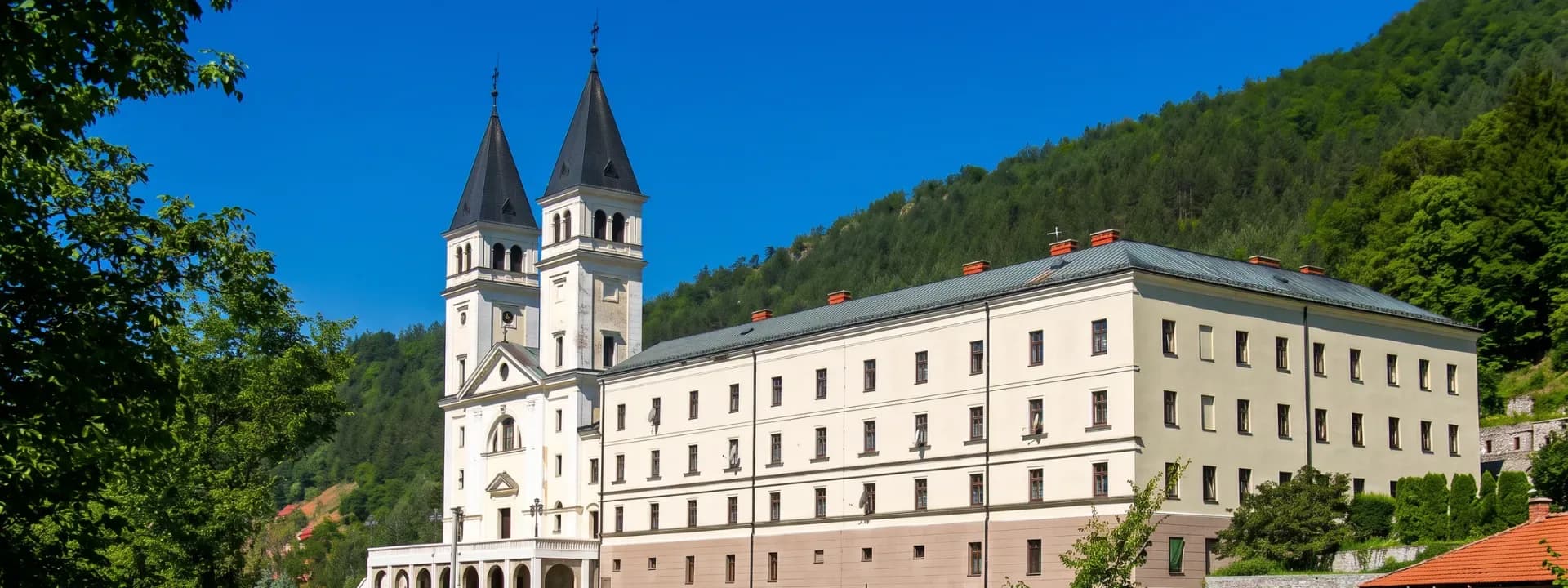
Kraljeva Sutjeska is a small but historically significant place in the municipality of Kakanj, about twelve kilometres northeast of the town, in the basin of the Trstionica stream. Together with the nearby Bobovac…

Travnik
Kraljeva Sutjeska is one of those places where history does not speak loudly — it whispers from every stone, from every corridor, and from the threshold of every entrance. Located in the municipality of Kakanj, this…

Travnik
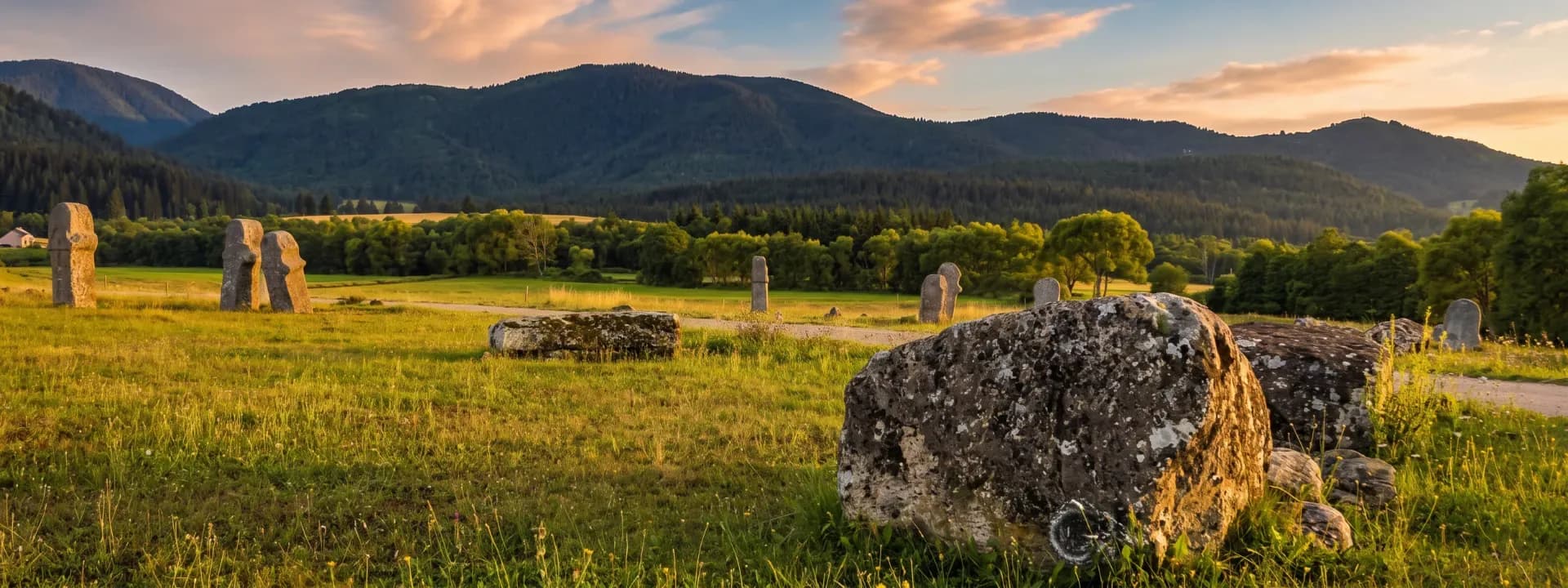
The Maculje necropolis, also known as the Petrified Wedding Party, is located in the Rostovo area, about 20 km from Novi Travnik toward Gornji Vakuf, along the route of an old Roman road. It has more than one hundred…

Travnik
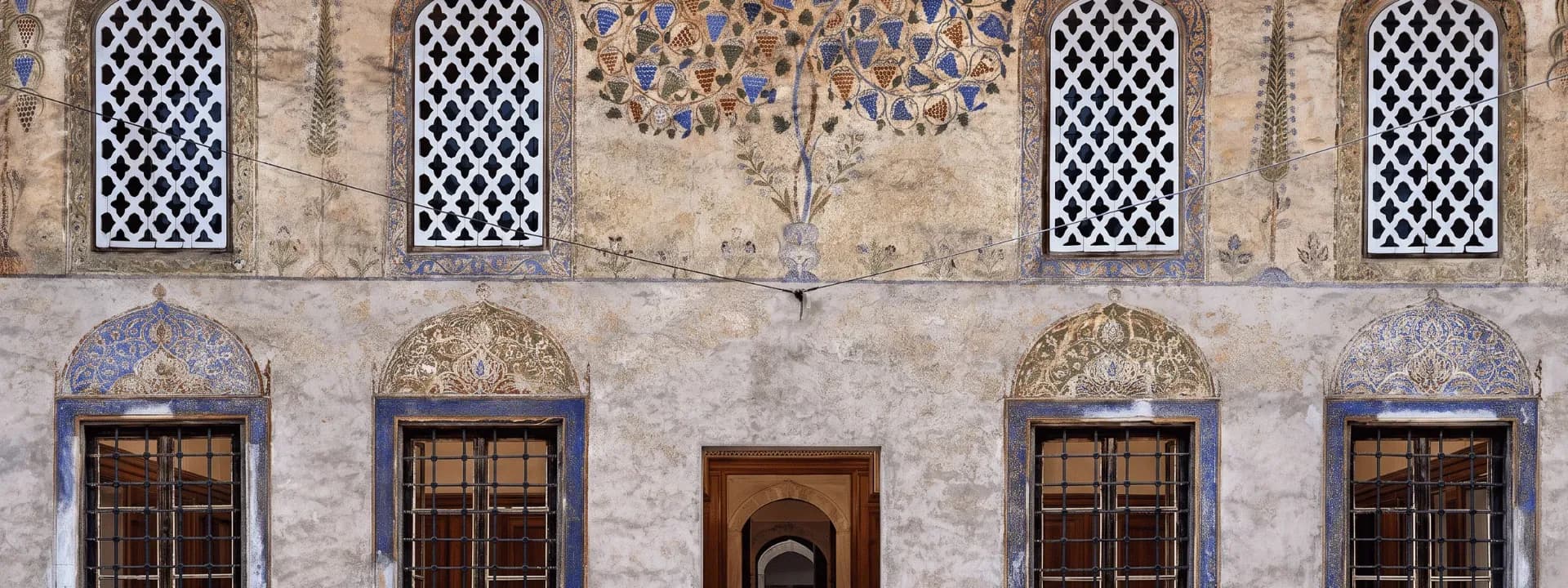
Located in the heart of Travnik's Donja čaršija, Sulejmanija, better known as the Šarena džamija, is one of the most fascinating symbols of the vizier's town and a pinnacle of Ottoman architecture in Bosnia and…

Travnik
Plava Voda (Blue Water) is one of the most beautiful and beloved spots in Travnik – a cultural landscape and national monument in the Šumeće neighbourhood, where the clear river of the same name rises and flows into…

Travnik
The ruler's court in Kraljeva Sutjeska is the remains of the Bosnian royal court from the 14th and 15th centuries, located on the banks of the Urva stream in Kraljeva Sutjeska, 12 km from Kakanj. It was built during…
What To See & Do
From medieval walls and colourful mosques to mountain springs and literary history — Travnik offers an impressive mix of culture, architecture, and nature.
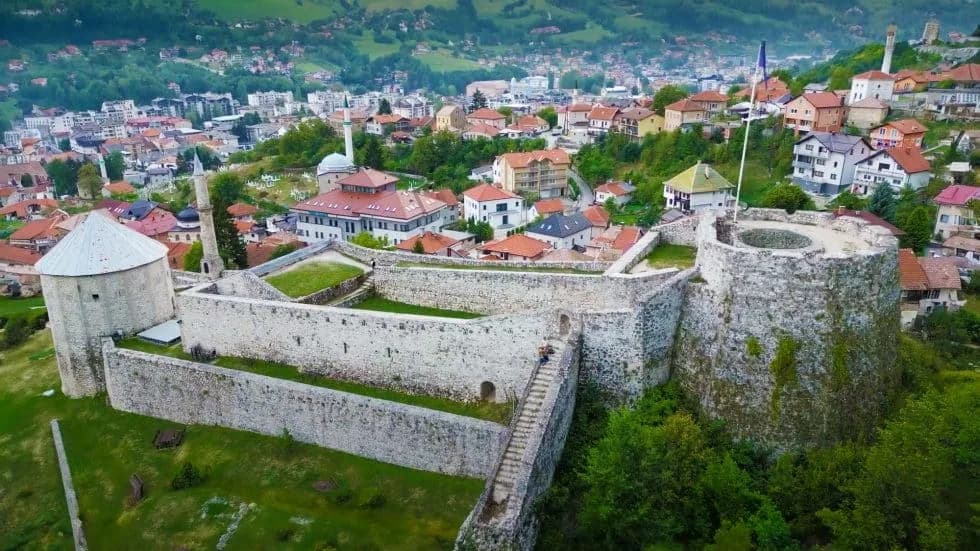
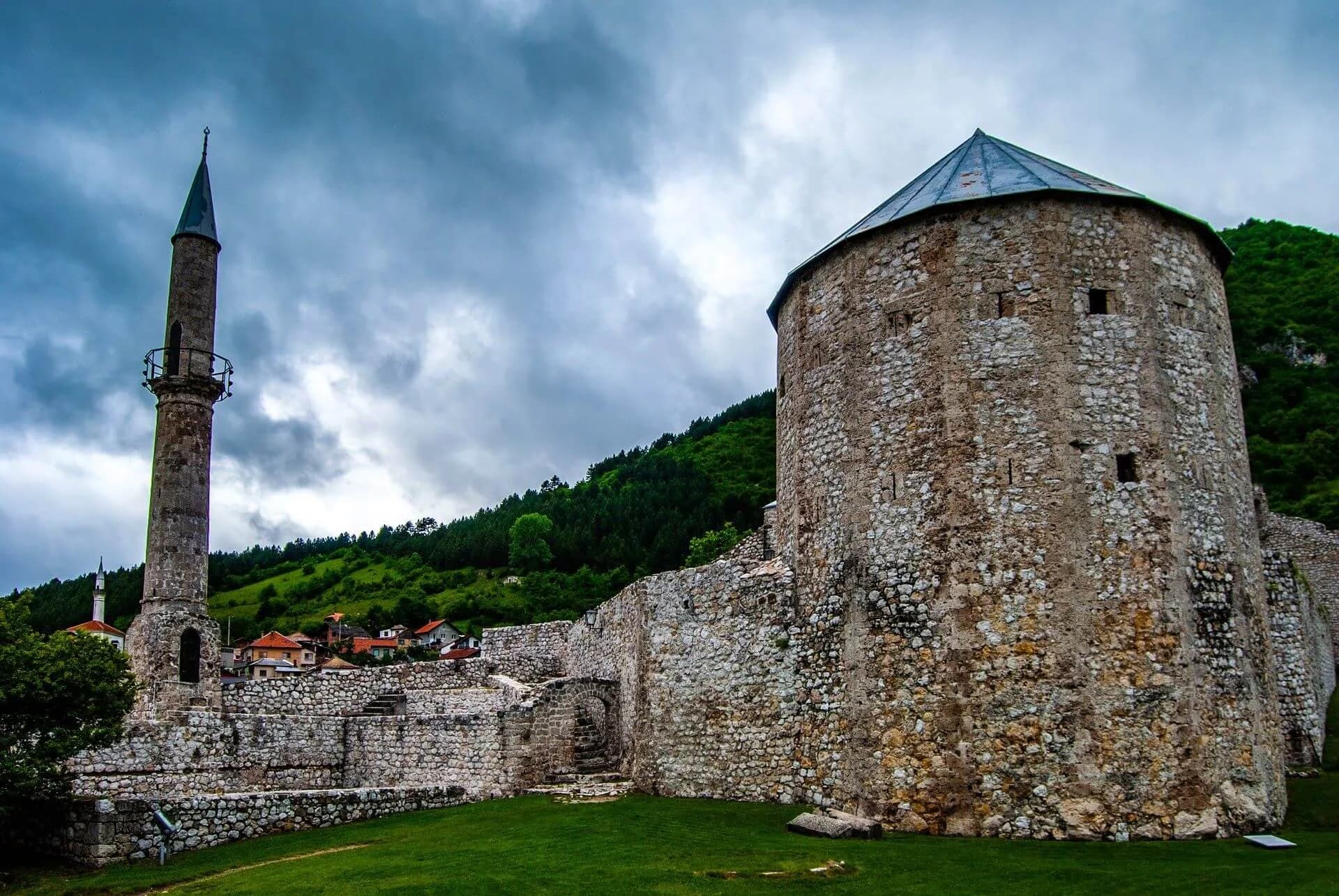
Travnik Fortress is the city's most recognizable landmark and one of the best-preserved medieval fortifications in Bosnia and Herzegovina. Built during the period of the medieval Bosnian Kingdom, the fortress was later expanded by the Ottomans and used for centuries as an important defensive position. Its thick stone walls, towers, courtyards, and elevated position offer some of the best panoramic views over Travnik and the Lašva Valley. Visitors can explore the interior of the fortress, walk along its stone paths, and learn more about the different historical periods that shaped the city.
Plava Voda, meaning Blue Water, is one of Travnik's most charming and relaxing locations. The clear mountain stream emerges beneath the slopes near the old town and flows past traditional restaurants, cafés, small bridges, and historic buildings. The sound of rushing water, natural shade, and cool air make Plava Voda especially popular during the warmer months. It is also closely connected with Ivo Andrić's famous novel Bosnian Chronicle, which begins and ends at this well-known Travnik location.
The Sulejmanija Mosque, also known as the Colourful Mosque, is one of Travnik's most distinctive Ottoman landmarks. Its richly decorated exterior, painted details, arcade, and central location make it immediately recognizable. The mosque forms part of Travnik's historic bazaar area and reflects the period when the town served as the political center of Ottoman Bosnia. Together with the nearby streets, shops, cafés, and traditional architecture, it creates one of the most atmospheric parts of the town.
Travnik is the birthplace of Ivo Andrić, winner of the 1961 Nobel Prize in Literature and one of the most internationally recognized writers from Bosnia and Herzegovina. His birth house has been preserved as a museum dedicated to his life and literary work. Visitors can learn about Andrić's childhood, personal history, photographs, manuscripts, and the cultural world that later influenced many of his works. Travnik itself plays an important role in his famous novel Bosnian Chronicle, which describes life in the town during the early 19th century.

History
The wider Travnik area has been inhabited since prehistoric times, while the medieval settlement developed beneath the fortress that still dominates the town today.
Travnik Fortress, also known as Stari Grad, was built before the arrival of the Ottomans, most likely during the period of the medieval Bosnian Kingdom. Historians generally date its construction to the late 14th or early 15th century. It was later expanded and strengthened under Ottoman rule and today remains one of the best-preserved medieval fortresses in Bosnia and Herzegovina. Visit B&H
Travnik grew dramatically during the Ottoman period. From the late 17th century, it became the residence of the Bosnian viziers, turning the town into one of the most important political centers in the province.
Mosques, schools, residences, fountains, bridges, shops, and public buildings were constructed throughout the town, many of which still shape Travnik's appearance today.
After Austro-Hungarian rule began in 1878, Travnik gradually modernized with new infrastructure, schools, administrative buildings, and European architectural influences.
Despite these changes, the town preserved much of its Ottoman character, making Travnik one of the best places in Bosnia and Herzegovina to experience several centuries of history within a small area.

Practical Guide
Everything you need to plan the perfect Travnik trip.
Explore Bosnia & HerzegovinaTravnik is an excellent base for exploring the mountains and natural landscapes of central Bosnia. The nearby Vlašić Mountain is one of Bosnia and Herzegovina's best-known mountain destinations. During summer, visitors can enjoy hiking, mountain biking, walking, paragliding, and exploring traditional villages and pastures. In winter, Vlašić becomes a popular ski destination with ski slopes, hotels, mountain lodges, and restaurants. Travnik itself is also ideal for relaxed walking, especially around the fortress, Plava Voda, the historic center, and the Lašva River. The combination of cultural sightseeing and mountain activities makes Travnik attractive throughout much of the year.
Travnik is famous throughout Bosnia and Herzegovina for its food. The city's best-known specialty is Travnik ćevapi, traditionally served in somun with onions and often prepared with a distinctive local style. Another regional specialty is Vlašić cheese, produced in the mountain villages and pastures surrounding Travnik. Visitors can also enjoy grilled meat, burek, soups, traditional Bosnian dishes, homemade bread, local dairy products, and seasonal desserts. For a classic Travnik experience, enjoy Bosnian coffee beside Plava Voda, where traditional cafés have served travellers for generations.
Travnik has a relaxed nightlife scene centered mainly around cafés, restaurants, and bars in the town center. During spring and summer, terraces around the old town and Plava Voda become especially popular in the evening. Rather than large nightclubs, Travnik is best suited to travellers looking for a slower atmosphere, good food, coffee, conversation, and evening walks. The city also hosts cultural programs, concerts, festivals, exhibitions, and seasonal events throughout the year.rnTravnik is also unusual for having two historic clock towers, a rare feature that reflects the city's rich Ottoman-era heritage.
Travnik offers accommodation for different types of travellers, including hotels, guesthouses, apartments, hostels, and traditional properties. Staying near the historic center is ideal for visitors who want the fortress, Plava Voda, museums, restaurants, and cafés within walking distance. Travellers interested in nature or winter sports can also stay on nearby Vlašić Mountain, where there is a wide range of hotels, apartments, chalets, and mountain lodges. Whether you're visiting for history, food, hiking, skiing, or a short stop while travelling through central Bosnia, Travnik offers an excellent combination of culture, nature, and traditional Bosnian hospitality.