Mostar
Bišćevića House
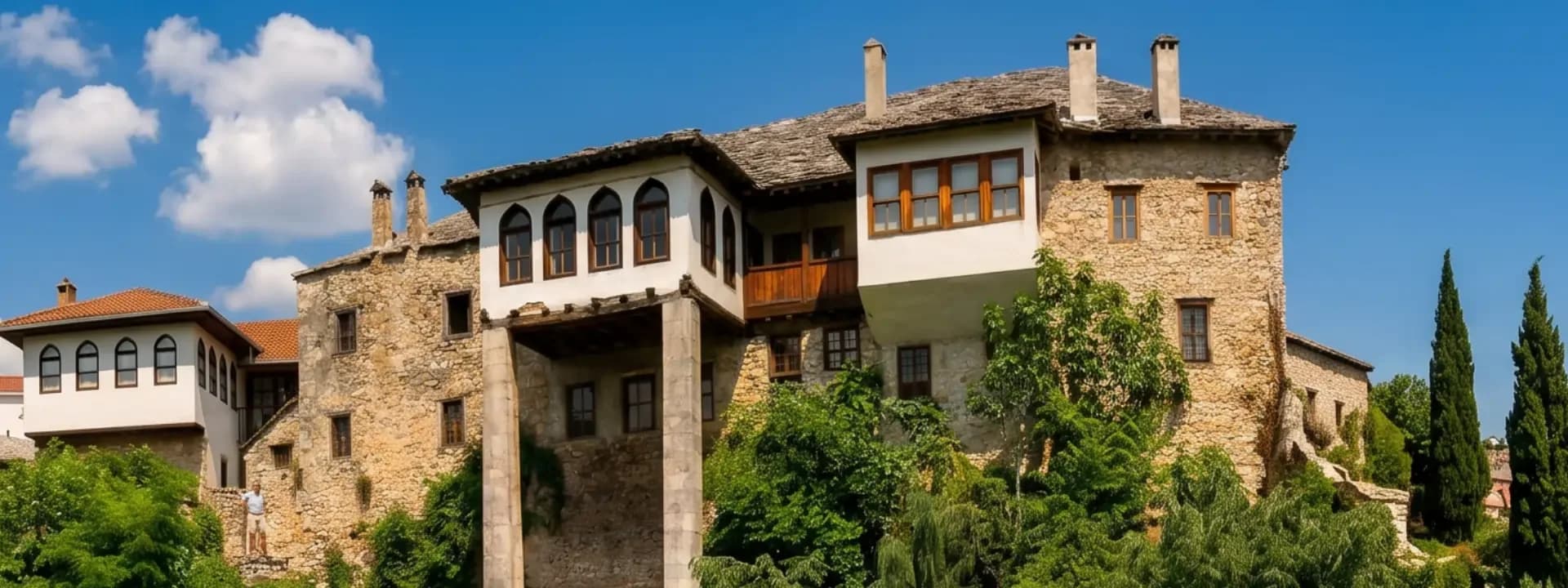
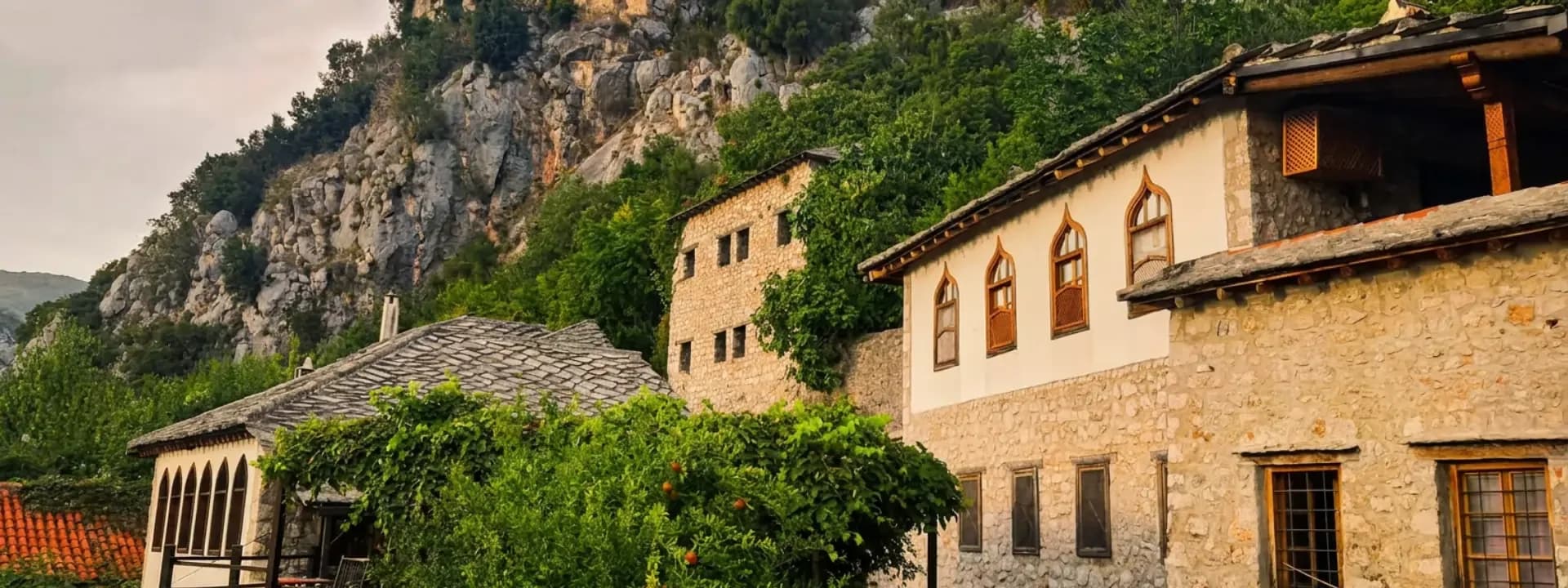
An old house in the heart of Mostar from the Ottoman era, still owned by the Bišćević family, was built in 1635. The Biščević House in Mostar is one of the best-preserved traditional Herzegovinian houses from the…

The heart of Herzegovina
A city of stone, sunshine, and emerald water — where Ottoman heritage, Mediterranean spirit, and the iconic Old Bridge create one of the Balkans’ most unforgettable destinations.
About Sarajevo
Mostar is the largest city in Herzegovina and one of the most famous destinations in Bosnia and Herzegovina. Located along the emerald-green Neretva River and surrounded by dramatic mountains, the city is known for its Mediterranean climate, historic architecture, lively streets, and unique blend of Eastern and Western influences.
The city is best known for the magnificent Stari Most — the Old Bridge — which has connected the two banks of the Neretva for centuries and has become one of the most recognizable landmarks in the Balkans.
Mostar is the administrative, cultural, economic, and tourist center of Herzegovina. Its historic streets, Ottoman-era houses, mosques, churches, stone bridges, traditional restaurants, and warm southern atmosphere attract visitors from all over the world.


The places that stay with you

Mostar
An old house in the heart of Mostar from the Ottoman era, still owned by the Bišćević family, was built in 1635. The Biščević House in Mostar is one of the best-preserved traditional Herzegovinian houses from the…

Mostar
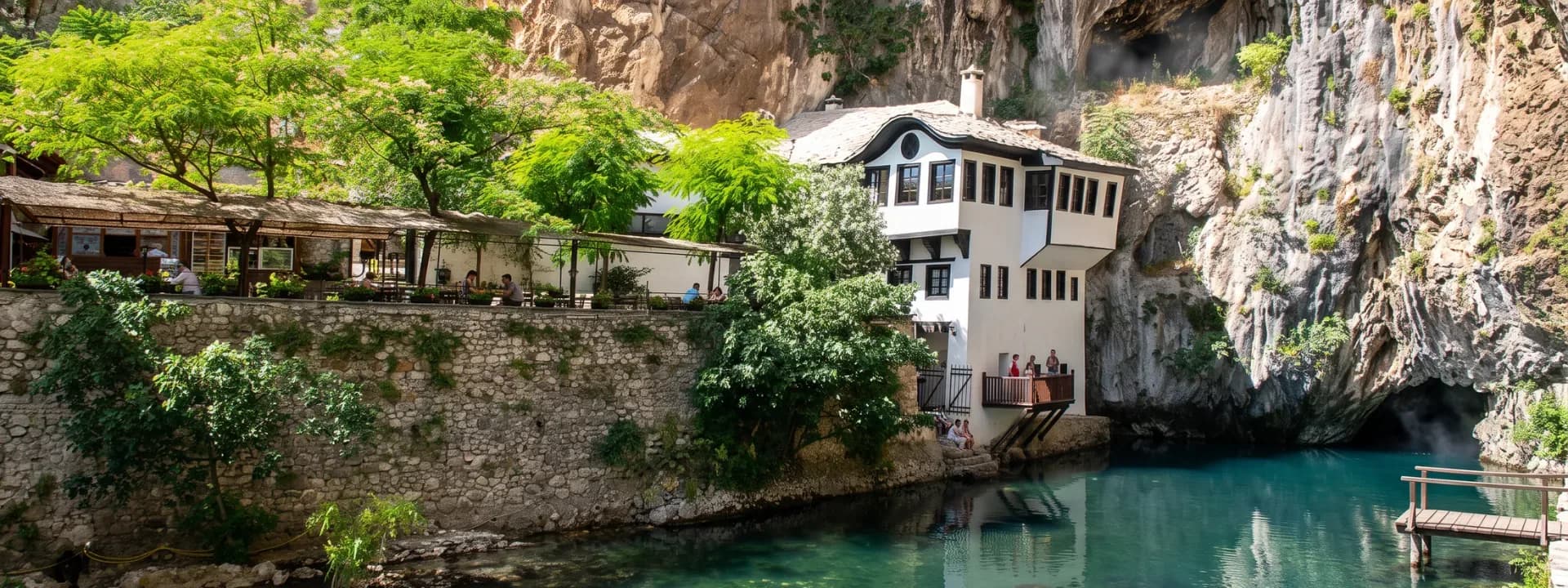
The Blagaj Tekke is one of the most beautiful and spiritual places in Herzegovina, set beside the source of the Buna River, near Mostar. It was built around 1520 as a dervish lodge – a place of prayer and spiritual…

Jablanica
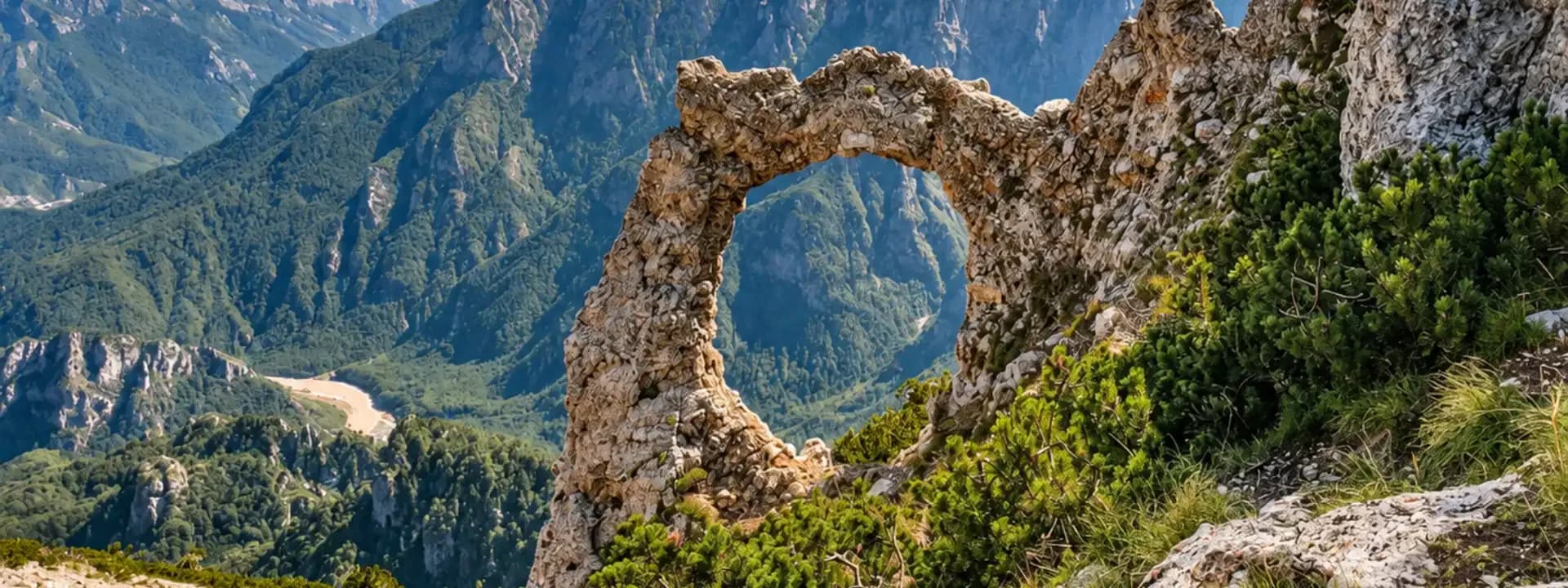
Located in the very heart of the central Dinaric Alps, Blidinje Nature Park is one of the most fascinating natural reserves in Bosnia and Herzegovina. This vast mountain plateau encompasses the Čvrsnica and Vran…

Mostar
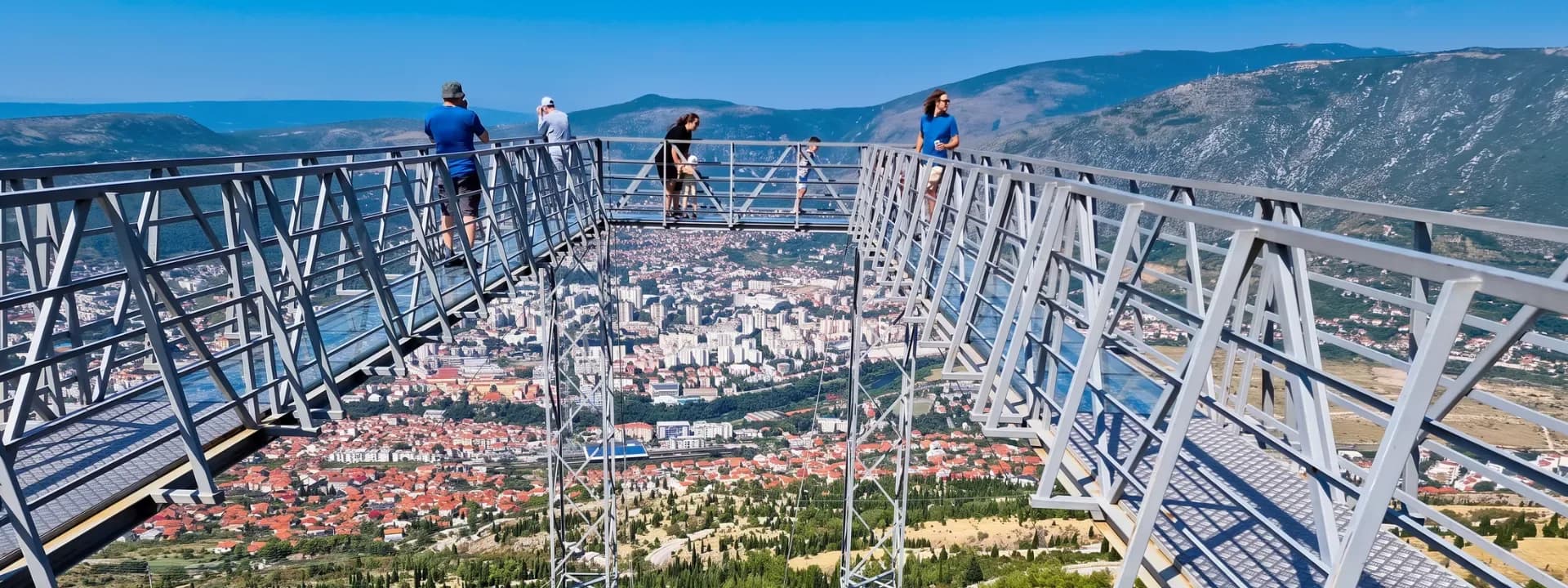
The Fortica Skywalk, also known as Skywalk Mostar, is part of the Fortica Sports and Adventure Park on the eastern hill above Mostar, about 5 km from the city centre. The glass walkway is roughly 35 metres long and set…

Čapljina
Gavrankapetanović House is one of the most impressive examples of Ottoman residential architecture in Bosnia and Herzegovina, located in the heart of the old town of Počitelj. The complex consists of two smaller and…

Čapljina
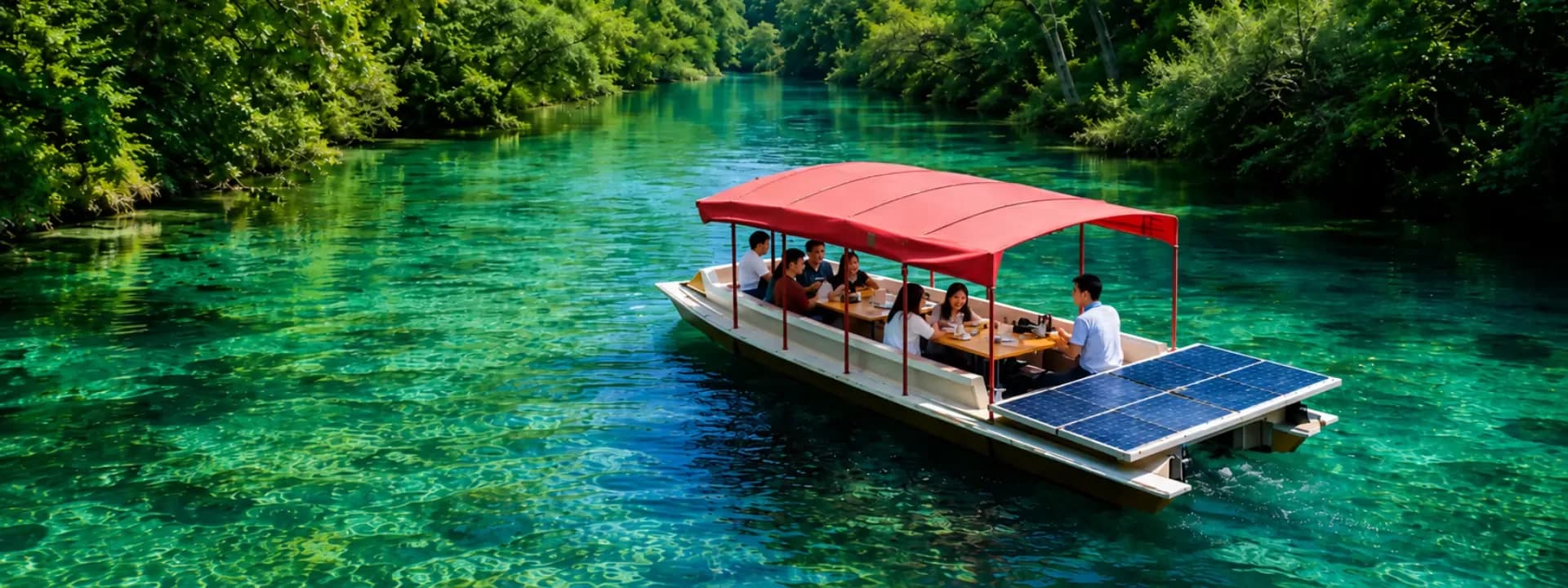
Gold River Bunica is a small natural complex located in Malo Polje, not far from Blagaj, where visitors can enjoy boat or canoe rides through the peaceful green setting of the Bunica River. A special feature of the…

Jablanica
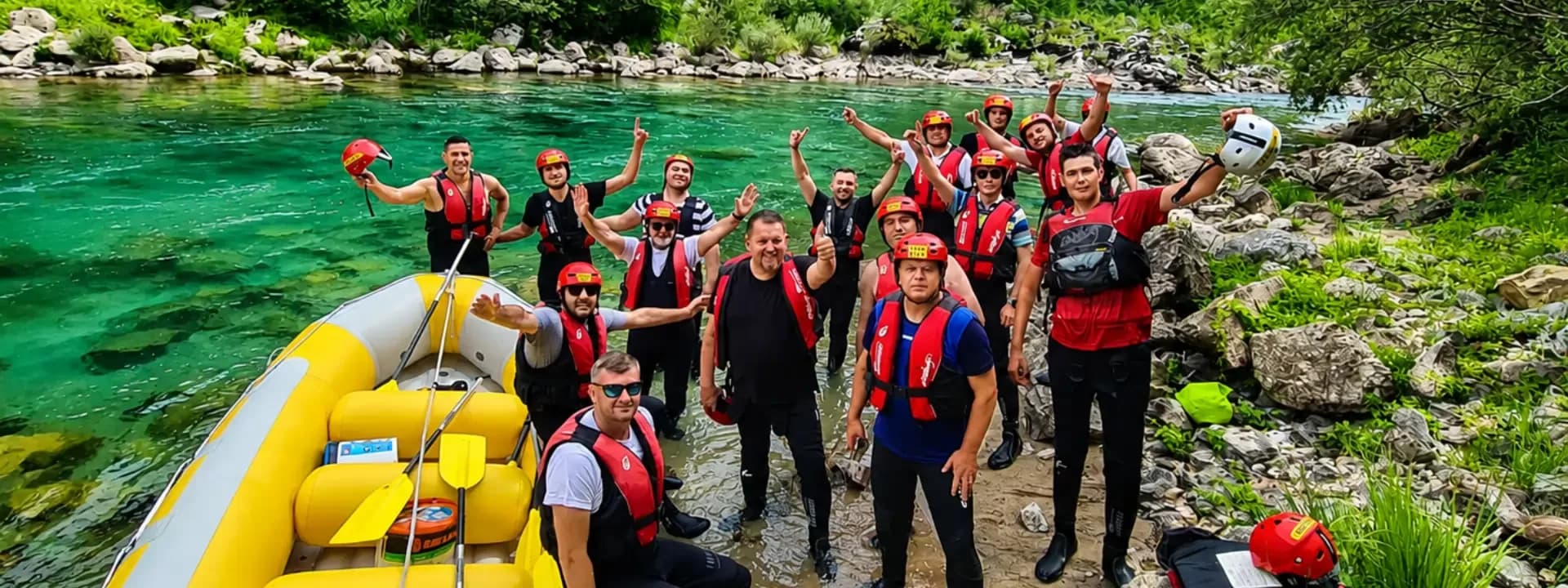
Inesraft is a rafting center located on the Neretva River near Konjic, known for organizing safe and unforgettable adventures through one of the most beautiful natural areas of Bosnia and Herzegovina. With experienced…

Jablanica
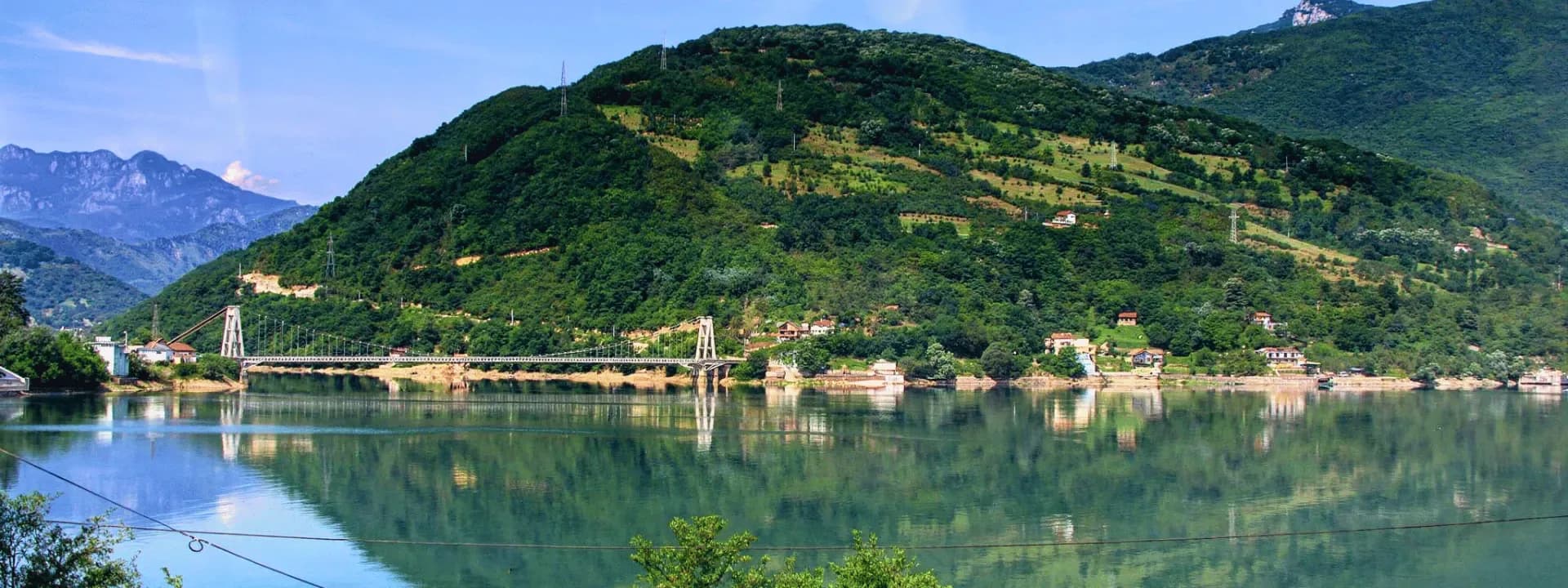
Jablanica Lake is one of the most beloved summer retreats in Bosnia and Herzegovina, set on the Neretva River between Konjic and Jablanica, along the M17 main road. It is an artificial reservoir, created in 1953 by the…
Find your way
38 places on the map
Distances are from the city centre, as the crow flies.
What To See & Do
From the legendary Old Bridge to Ottoman streets, panoramic viewpoints, and riverside cafés — Mostar rewards every curious traveller.
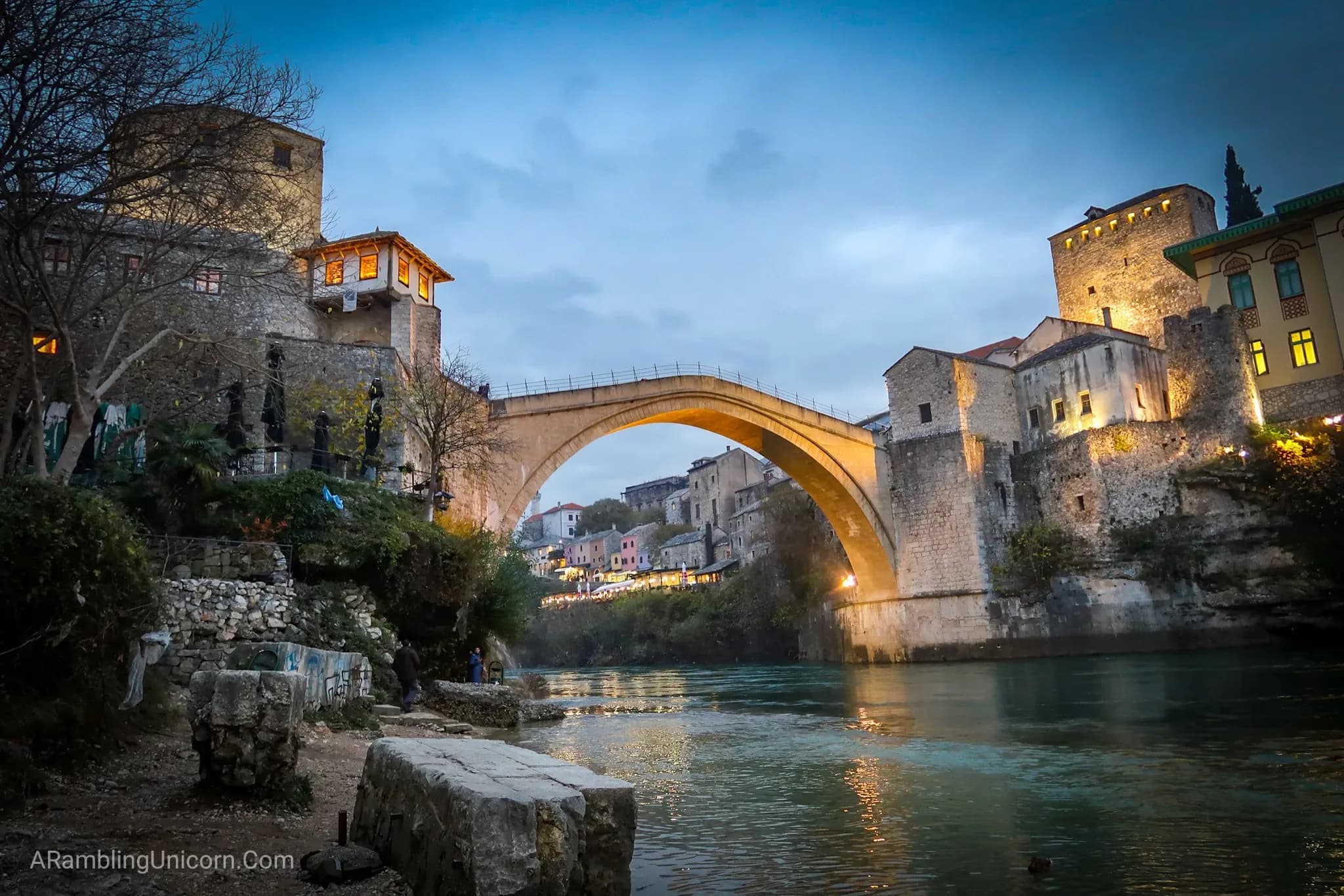
Stari Most is the unmistakable symbol of Mostar and one of the most famous landmarks in Bosnia and Herzegovina. The original stone bridge was completed in 1566 during the Ottoman period and connected the two sides of the city across the Neretva River. Its elegant single stone arch rises dramatically above the emerald water below. Destroyed during the war in 1993, the bridge was reconstructed using traditional materials and building techniques and reopened in 2004. Today, visitors can walk across its famous stone surface, admire the views of the Old Town, or watch Mostar's legendary bridge divers leap into the cold waters of the Neretva.
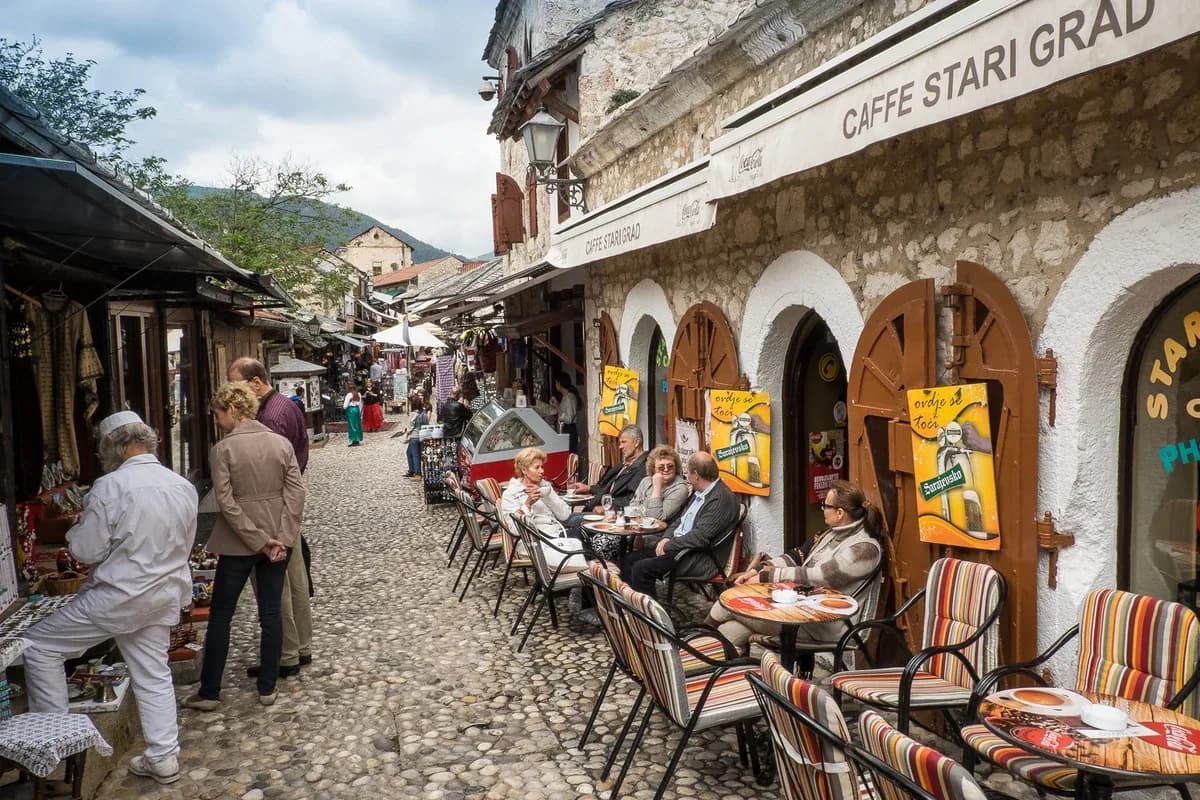
Kujundžiluk is the historic bazaar of Mostar and one of the liveliest parts of the Old Town. Its narrow cobbled streets are lined with traditional craft shops, cafés, restaurants, souvenir stores, and stone houses that reflect centuries of Ottoman influence. Copper products, handmade jewellery, traditional decorations, Bosnian coffee sets, carpets, and local souvenirs fill the colourful shopfronts. Walking through Kujundžiluk toward the Old Bridge is one of the essential Mostar experiences — especially in the evening when the stone streets and surrounding buildings are illuminated.
Built in the early 17th century, Koski Mehmed Pasha Mosque is one of Mostar's best-known historic religious landmarks.Located only a short walk from the Old Bridge, the mosque offers one of the most impressive panoramic views of Mostar. Visitors can climb the narrow minaret and look directly over the Old Bridge, the Neretva River, the historic rooftops, and the surrounding mountains. Its courtyard, fountain, colourful interior, and riverside setting make it one of the most photographed locations in the city.
Built in 1557, Karađoz Bey Mosque is considered one of the most important examples of Ottoman Islamic architecture in Herzegovina. The mosque was designed during the golden age of Ottoman architecture and features a large central dome, elegant minaret, courtyard, fountain, and traditional stone details. Located close to the historic center, it remains an important religious and cultural landmark and provides another glimpse into Mostar's centuries-old Ottoman heritage.

History
The area around present-day Mostar has been inhabited since ancient times, but the city developed significantly during the Ottoman period in the 15th and 16th centuries.
The name Mostar was first recorded in 1474 and is believed to originate from the word “mostari”, meaning the guardians of the bridge. During Ottoman rule, Mostar developed into an important commercial and administrative center of Herzegovina.
The city's most famous landmark, the Old Bridge, was completed in 1566 and became a masterpiece of Ottoman bridge engineering. Around it grew a vibrant town filled with mosques, markets, workshops, traditional houses, and caravan routes.
After the Austro-Hungarian administration began in 1878, Mostar expanded beyond its historic core. New roads, public buildings, schools, residential districts, and European architectural styles transformed the city while preserving its oriental character.
Mostar suffered severe destruction during the war of the 1990s, including the destruction of the Old Bridge in 1993. The bridge was carefully reconstructed using traditional techniques and reopened in 2004.
In 2005, the Old Bridge Area of the Old City of Mostar was added to the UNESCO World Heritage List and today stands as a powerful symbol of reconciliation, coexistence, and cultural heritage.

Practical Guide
Everything you need to plan the perfect Mostar trip.
Explore Bosnia & HerzegovinaMostar is surrounded by mountains, rivers, waterfalls, and some of Herzegovina's most spectacular landscapes. Visitors can enjoy hiking, cycling, rafting, climbing, kayaking, and panoramic tours throughout the region. For adrenaline lovers, the traditional diving competition from the Old Bridge is one of Mostar's most famous events. Experienced local divers have been jumping from the bridge into the Neretva for generations. Nearby destinations such as Blagaj, Fortica, Buna, Počitelj, and the surrounding Herzegovinian countryside also make excellent day trips from Mostar.
Mostar's cuisine combines traditional Bosnian dishes with strong Herzegovinian and Mediterranean influences. Around the Old Town and Neretva River, visitors will find restaurants serving ćevapi, grilled meat, burek, dolma, soups, fresh trout, grilled vegetables, and traditional Herzegovinian dishes. Local cheeses, figs, pomegranates, honey, olives, and Herzegovinian wines also play an important role in the region's cuisine. Finish your meal with traditional Bosnian coffee, baklava, or hurmašice while enjoying a view of the Old Bridge.
Mostar has a relaxed but lively evening atmosphere, particularly during the warm spring and summer months. The Old Town is filled with cafés, terraces, restaurants, and bars where visitors can enjoy music and drinks beside the river. Throughout the year, Mostar also hosts concerts, cultural events, festivals, exhibitions, and the famous traditional diving competition from the Old Bridge. For a quieter evening, simply find a riverside terrace and enjoy the illuminated Old Bridge and the sound of the Neretva.
Mostar offers accommodation for every type of traveller — from modern 4- and 5-star hotels to boutique hotels, traditional guesthouses, apartments, hostels, and private rooms. Staying near the Old Town is ideal for travellers who want Mostar's main attractions within walking distance, while accommodation in newer parts of the city often offers easier parking and additional space. Whether you're visiting for a short city break, exploring Herzegovina, or travelling through the Balkans, Mostar provides plenty of comfortable and affordable accommodation options.